Unraveling the Illusion of Self
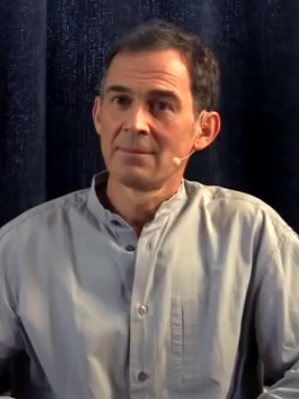
Rupert Spira's assertion that "the mind creates a narrative of self that it mistakes for truth" invites us to examine the intricate relationship between our consciousness and the stories we tell ourselves. This statement serves as a profound reminder of how easily we can become ensnared in the narratives constructed by our minds, believing them to be the ultimate reality. The implications of this realization are significant, as they challenge the very foundation of our identity and the way we interact with the world around us.
As we delve deeper into this quote, we uncover the layers of meaning that reveal the fragility of the ego and its narratives. The mind, in its quest for understanding and coherence, fabricates a sense of self that often feels solid and unshakeable. Yet, this constructed identity is not the essence of who we are; rather, it is a transient story shaped by experiences, perceptions, and beliefs. Recognizing this distinction is crucial for spiritual growth, as it opens the door to a more profound understanding of consciousness and our place within it.
The image / the metaphor
At its core, Spira's quote evokes a vivid image of the mind as a storyteller, weaving intricate tales that shape our perception of self. The verbs "creates" and "mistakes" highlight the active role the mind plays in this process, suggesting a dynamic interplay between thought and identity. The narrative of self, while compelling, is ultimately a construct—an elaborate tapestry of memories, desires, and fears that can obscure the underlying truth of our being.
Delving deeper into this metaphor, we can liken the mind to a skilled artist, painting a portrait of who we believe ourselves to be. Yet, just as a painting is but a representation of reality, so too is our self-narrative a mere reflection of our experiences rather than an accurate depiction of our true nature. This distinction is vital, as it encourages us to question the authenticity of our thoughts and the validity of the identities we cling to, inviting us to explore the deeper dimensions of consciousness that lie beyond the surface of our constructed selves.
In the speaker's tradition
Rupert Spira's teachings are deeply rooted in the non-dual tradition, which emphasizes the interconnectedness of all beings and the illusion of separateness. Concepts such as *sunyata* (emptiness) and *fana* (annihilation of the self) resonate with his assertion, as they point to the understanding that the ego is a transient phenomenon rather than an enduring reality. In this context, the narrative of self becomes a veil that obscures our true nature, which is boundless awareness and presence.
In the *Upanishads*, a foundational text of non-dual philosophy, we find echoes of Spira's insights. The *Tat Tvam Asi* (That Thou Art) teaching encapsulates the idea that our true essence transcends the individual self, inviting us to recognize our unity with the cosmos. This ancient wisdom aligns seamlessly with Spira's perspective, urging us to look beyond the narratives we construct and to embrace the profound truth of our shared existence.
Living the teaching
Consider a modern scenario where this teaching can be applied: a person grappling with feelings of inadequacy in their professional life. The mind may create a narrative that they are not competent enough, leading to anxiety and self-doubt. By recognizing this narrative as a construct rather than an absolute truth, they can begin to disentangle their sense of self-worth from external validation, allowing for a more authentic expression of their capabilities and potential.
In the realm of relationships, the implications of Spira's teaching become equally profound. Imagine a couple caught in a cycle of misunderstandings, each partner clinging to their own narrative of the other. By acknowledging that these stories are shaped by their perceptions and not necessarily reflective of reality, they can foster deeper communication and empathy. This shift allows them to move beyond the confines of their narratives, paving the way for a more genuine connection rooted in presence and awareness.
A reflection
As we contemplate Spira's assertion, we are invited to engage with a contemplative question: What narratives do I hold about myself that may not reflect my true essence? This inquiry encourages us to explore the stories we tell ourselves and to discern whether they serve our growth or confine us to a limited understanding of who we are. In this exploration, we may find the keys to unlocking a more expansive experience of consciousness, one that transcends the boundaries of the ego and embraces the fullness of our shared existence.



Join the BrightStar Community
Stay connected with daily inspiration, event announcements, and community wisdom