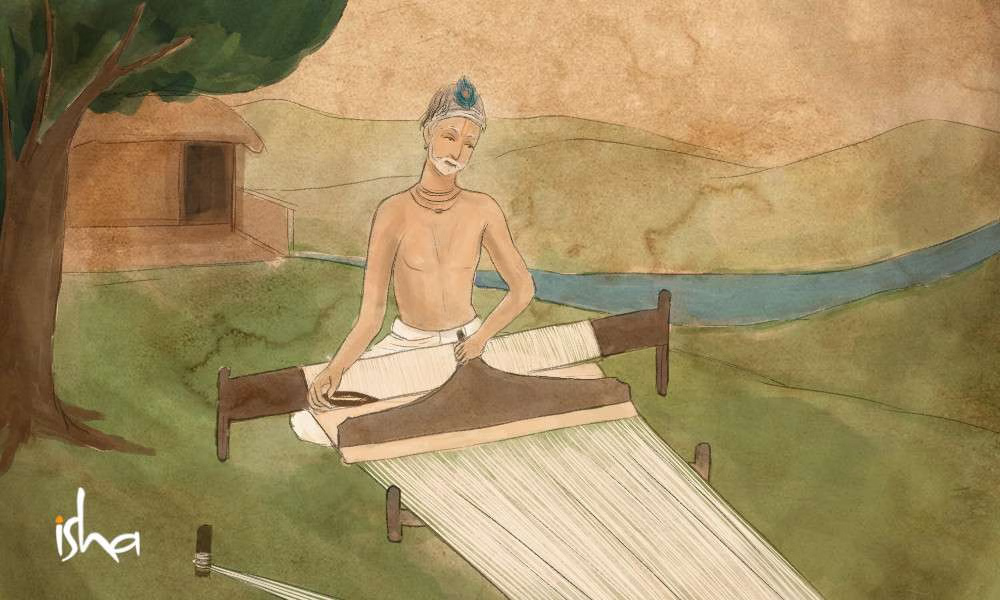
The Harmonious Dialogue of the Soul
In the profound words of Kabir, "Two birds sing there; one is the Guru, and the other the disciple." This evocative imagery invites us to explore the intricate relationship between teacher and student, suggesting a dynamic interplay of wisdom and learning. The metaphor of two birds singing together encapsulates the essence of spiritual guidance, where the Guru imparts knowledge and the disciple absorbs it, creating a symphony of understanding that transcends mere words. This relationship is not just a transactional exchange; it is a sacred dance of mutual growth and enlightenment.
As we delve deeper into this quote, we uncover layers of meaning that resonate with the heart of the bhakti tradition. The act of singing symbolizes expression, connection, and the sharing of spiritual truths. In this context, the Guru represents the divine wisdom that guides the seeker, while the disciple embodies the yearning for understanding and connection. This duality reflects a universal theme in spiritual practice: the quest for knowledge and the transformative power of guidance. The relationship between the two is not static; it evolves as both parties engage in the sacred act of learning and teaching.
The image / the metaphor
The imagery of two birds singing together evokes a sense of harmony and unity. The choice of the word "sing" suggests a joyful expression of truth, where both the Guru and the disciple contribute to a larger melody. This metaphorical representation emphasizes the importance of dialogue in spiritual growth. The act of singing implies a shared experience, where the Guru's teachings resonate within the disciple, creating a beautiful interplay of voices that enriches both. The birds symbolize the soul's journey, where one seeks to elevate the other through shared wisdom.
Diving deeper into the metaphor, we can see that the birds also represent the dual aspects of existence: the material and the spiritual. The Guru, as the embodiment of divine knowledge, guides the disciple through the complexities of life, helping them navigate the challenges of the material world while remaining connected to the spiritual realm. This duality is essential in understanding the nature of existence, where the interplay between the two birds reflects the balance necessary for spiritual awakening. The singing becomes a metaphor for the soul's yearning for liberation, where the Guru's guidance leads the disciple toward a deeper understanding of their true nature.
In the speaker's tradition
Kabir's teachings are deeply rooted in the bhakti tradition, which emphasizes devotion and the personal relationship between the seeker and the divine. This tradition values the concept of dharma, or righteous duty, as a guiding principle in one's spiritual journey. The relationship between the Guru and disciple exemplifies the essence of bhakti, where love and devotion create a pathway to understanding the divine. Concepts such as kenosis, the self-emptying of the disciple, and fana, the annihilation of the self in the presence of the divine, resonate with the imagery of the two birds, highlighting the transformative power of surrender and devotion in the learning process.
In the context of Kabir's work, we can draw parallels to other spiritual texts that explore the teacher-student dynamic. For instance, the Bhagavad Gita speaks of the importance of seeking guidance from a wise teacher, emphasizing that true knowledge is passed down through a lineage of enlightened beings. This idea is echoed in Kabir's metaphor, where the singing of the two birds symbolizes the transmission of wisdom from the Guru to the disciple, reinforcing the notion that spiritual growth is a communal endeavor, enriched by the contributions of both parties.
Living the teaching
In our modern lives, the teaching encapsulated in Kabir's quote can manifest in various ways. Consider a scenario where a mentor guides a young professional navigating the complexities of their career. The mentor, embodying the role of the Guru, shares insights and experiences that illuminate the path ahead. The mentee, as the disciple, absorbs this wisdom, transforming it into actionable knowledge. This relationship fosters growth, not only for the mentee but also for the mentor, who gains fulfillment from sharing their expertise. This dynamic illustrates the beauty of the Guru-disciple relationship, where both parties engage in a mutual exchange of wisdom.
Another application of this teaching can be found in personal relationships, particularly during challenging moments. Imagine a couple facing a conflict; one partner takes on the role of the Guru, offering insights and understanding, while the other, as the disciple, listens and reflects. This exchange fosters deeper communication and connection, allowing both individuals to grow from the experience. By embracing the spirit of Kabir's metaphor, we can cultivate a more profound understanding of ourselves and our relationships, recognizing that the act of learning and teaching is a continuous journey that enriches our lives.
A reflection
As we contemplate Kabir's profound words, we are invited to reflect on the nature of our own relationships with teachers and students in our lives. How do we embody the roles of both Guru and disciple? In what ways can we cultivate a deeper understanding of this dynamic, allowing it to enrich our spiritual journey? Consider the moments when you have shared wisdom with others or when you have been open to receiving guidance. What insights arise from these experiences, and how can they inform your path moving forward?




Join the BrightStar Community
Stay connected with daily inspiration, event announcements, and community wisdom