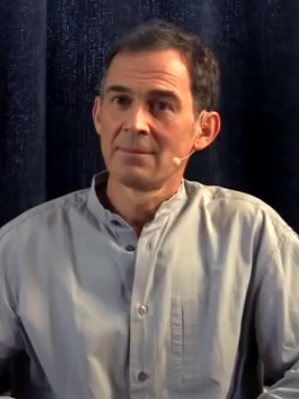
The Intimacy of Truth: A Journey Within
Rupert Spira's assertion that "Truth is what is closest to you" invites us into a profound exploration of our relationship with reality. This statement challenges us to reconsider our understanding of truth, suggesting that it is not an abstract concept to be sought in distant realms, but rather something intimately woven into the fabric of our everyday existence. The stakes are high; recognizing truth as proximity can transform our perception of self, others, and the world around us, leading to a more authentic and fulfilling life.
In a world often dominated by external validation and the pursuit of distant ideals, Spira's words serve as a gentle reminder to turn inward. This inward journey is not merely an intellectual exercise but a deeply felt experience that requires us to confront our own beliefs, fears, and desires. By acknowledging that truth resides closest to us, we open ourselves to the possibility of discovering a profound intimacy with our own being, as well as with the world that surrounds us.
The image / the metaphor
The imagery in Spira's quote evokes a sense of closeness and immediacy. The verb "is" suggests a state of being rather than a pursuit, indicating that truth is not something to be chased or acquired but rather something that is inherently present within us. This felt sense of proximity invites us to consider the layers of our own experience, where truth may be obscured by distractions, fears, or societal expectations. The notion of closeness also implies a relationship; truth is not a solitary entity but rather something that exists in connection with our inner selves.
In the speaker's tradition
Rupert Spira's teachings are rooted in the non-dual tradition, which emphasizes the interconnectedness of all existence and the inherent unity of being. Concepts such as *sunyata* (emptiness) and *fana* (annihilation of the self) resonate with the idea that truth is not found in separation but in the recognition of our shared essence. In this context, truth is not merely a personal experience but a universal reality that transcends individual perception, inviting us to dissolve the boundaries that separate us from one another.
In his work, Spira often references the teachings of Advaita Vedanta, which emphasizes the non-dual nature of reality. A relevant text in this tradition is the *Upanishads*, which explore the idea that the ultimate truth, or *Brahman*, is both immanent and transcendent. This aligns beautifully with Spira's assertion that truth is closest to us, suggesting that the divine essence is not a distant goal but rather an integral part of our everyday experience. By recognizing this, we can cultivate a deeper sense of connection to ourselves and the world around us.
Living the teaching
Consider a modern scenario where this teaching might resonate: a person grappling with feelings of inadequacy in their career. They may chase external validation through promotions or accolades, believing that success lies in the approval of others. However, if they pause to reflect on Spira's teaching, they might realize that their true worth is not contingent upon external achievements but is inherent within themselves. This shift in perspective can lead to a more grounded sense of self, allowing them to approach their work with authenticity and joy.
In the realm of relationships, Spira's insight can be equally transformative. Imagine a couple facing conflict; they may find themselves entrenched in their perspectives, each feeling misunderstood. By embracing the idea that truth is closest to them, they can cultivate a deeper intimacy, recognizing that their shared experience is more significant than their individual viewpoints. This awareness can foster empathy and understanding, allowing them to navigate their differences with compassion and grace.
A reflection
As we contemplate Spira's assertion that "Truth is what is closest to you," we are invited to engage in a deeper inquiry into our own lives. What truths lie beneath the surface of our daily experiences, waiting to be uncovered? In moments of stillness, we can ask ourselves: How can I cultivate a closer relationship with my own truth, and how might this shift my perception of the world around me?



Join the BrightStar Community
Stay connected with daily inspiration, event announcements, and community wisdom