The Dance of Ego and Awareness: A Non-Dual Perspective
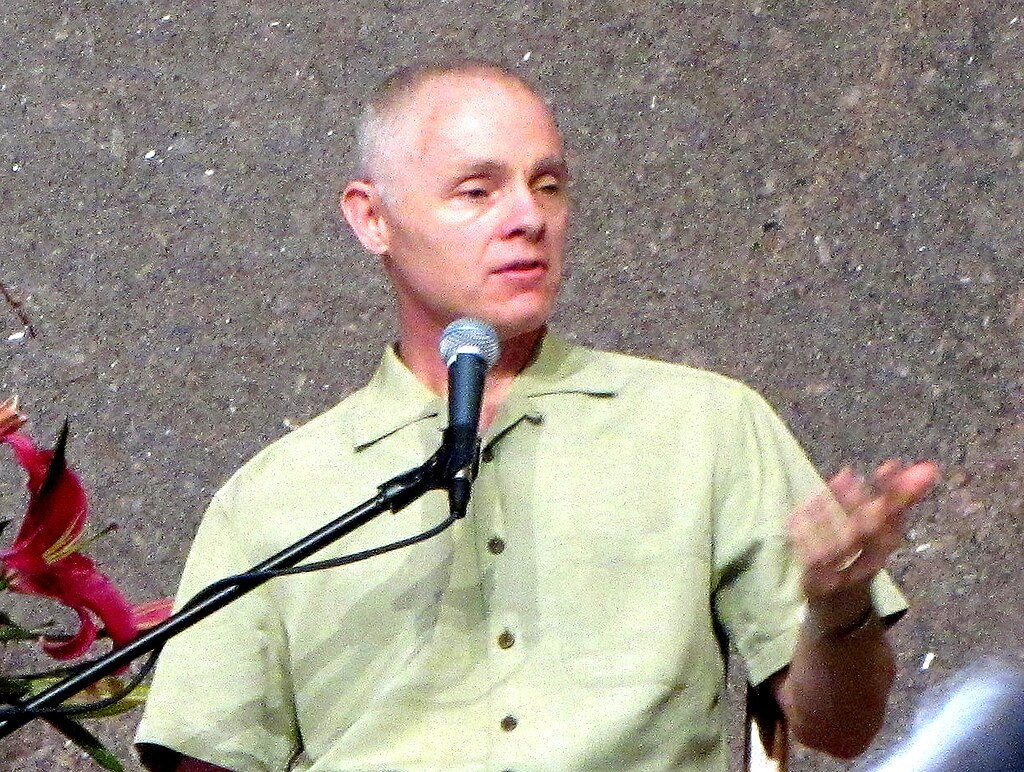
Adyashanti's assertion that "the ego is what suffers. Awareness does not" invites us to explore the profound distinction between our sense of self and the deeper consciousness that observes our experiences. This statement underscores the essence of suffering as an experience rooted in the ego, which clings to identity, desires, and fears. In contrast, awareness remains untouched by the turmoil that the ego creates, offering a pathway to liberation and peace. Understanding this dichotomy is crucial for anyone seeking to navigate the complexities of human existence.
In a world where the ego often dictates our responses and shapes our reality, recognizing the nature of awareness becomes a transformative endeavor. The quote challenges us to question the validity of our ego-driven narratives and to cultivate a deeper understanding of our true nature. By examining the interplay between suffering and awareness, we can begin to disentangle ourselves from the chains of the ego, leading to a more authentic and liberated way of being. This exploration is not merely theoretical; it has profound implications for how we live our lives and relate to others.
The image / the metaphor
The imagery in Adyashanti's quote evokes a vivid contrast between the suffering of the ego and the serenity of awareness. The verb "suffers" implies a sense of struggle, pain, and attachment, suggesting that the ego is inherently tied to the fluctuations of life. In contrast, the phrase "awareness does not" conveys a sense of stillness and presence, indicating that true consciousness remains unaffected by the vicissitudes of existence. This duality invites us to visualize the ego as a turbulent sea, while awareness is the vast sky that holds it, unperturbed and expansive.
In the speaker's tradition
Adyashanti's teachings are deeply rooted in the non-dual tradition, which emphasizes the unity of all existence and the illusion of separation created by the ego. Concepts such as *sunyata* (emptiness) and *fana* (annihilation of the self) resonate with the essence of his quote, highlighting the idea that the ego's suffering arises from its mistaken belief in its own permanence and significance. In this context, awareness represents a return to our true nature, free from the distortions of the ego. This journey towards realization often involves practices that cultivate *prajna* (wisdom) and *bhakti* (devotion), allowing us to transcend the limitations of the self.
In the context of non-dual texts, we can draw parallels with the teachings of Advaita Vedanta, particularly the works of sages like Ramana Maharshi, who emphasized self-inquiry as a means to dissolve the ego. His famous question, "Who am I?" serves as a powerful tool for peeling away the layers of identity that contribute to suffering. By engaging with such texts and practices, we can deepen our understanding of the nature of awareness and its relationship to the ego, ultimately leading us toward liberation.
Living the teaching
Consider a modern scenario where this teaching can be applied: a workplace conflict. Imagine a situation where you feel unjustly criticized by a colleague. The ego reacts with defensiveness, anger, or a desire for vindication, leading to a cycle of suffering. However, if you can pause and shift your perspective to awareness, you may recognize that the criticism is not a reflection of your worth but rather a momentary interaction colored by the ego's projections. This shift allows you to respond with clarity and compassion, breaking the cycle of suffering that the ego perpetuates.
Another application of this teaching can be found in personal relationships. During a disagreement with a loved one, the ego may feel threatened, leading to hurtful words or withdrawal. However, by cultivating awareness, you can observe your emotional reactions without being consumed by them. This awareness creates space for empathy and understanding, allowing for a more constructive dialogue that honors both your feelings and those of your partner. In these moments, the practice of mindfulness can serve as a bridge, helping you to remain anchored in awareness rather than being swept away by the ego's demands.
A reflection
As we contemplate Adyashanti's profound insight, we are invited to reflect on the nature of our own suffering. What aspects of your life are driven by the ego's need for validation, control, or fear? In what ways can you cultivate a deeper awareness that transcends these limitations? By engaging with these questions, we can begin to unravel the threads of ego-driven suffering and embrace the expansive peace that awareness offers.



Join the BrightStar Community
Stay connected with daily inspiration, event announcements, and community wisdom